
Noise Blocking Windows: How Triple-Pane Windows Reduce Sound
Triple-pane windows can make a noisy home feel calmer by reducing everyday sounds like traffic, barking dogs, wind, and neighborhood activity while also improving comfort during harsh temperature swings. If you are comparing window options and trying to avoid an expensive mistake, this guide explains how noise-blocking windows work, where triple-pane glass helps most, and how window style and installation quality change the result.
EZ Home Solutions exclusively installs Triple-Pane Windows because in Minnesota, double-pane windows often do not deliver the thermal efficiency or sound reduction homeowners need, and very few double-pane options are ENERGY STAR® Northern-Climate Certified. For our region, we recommend triple-pane over double-pane as the smarter long-term choice.
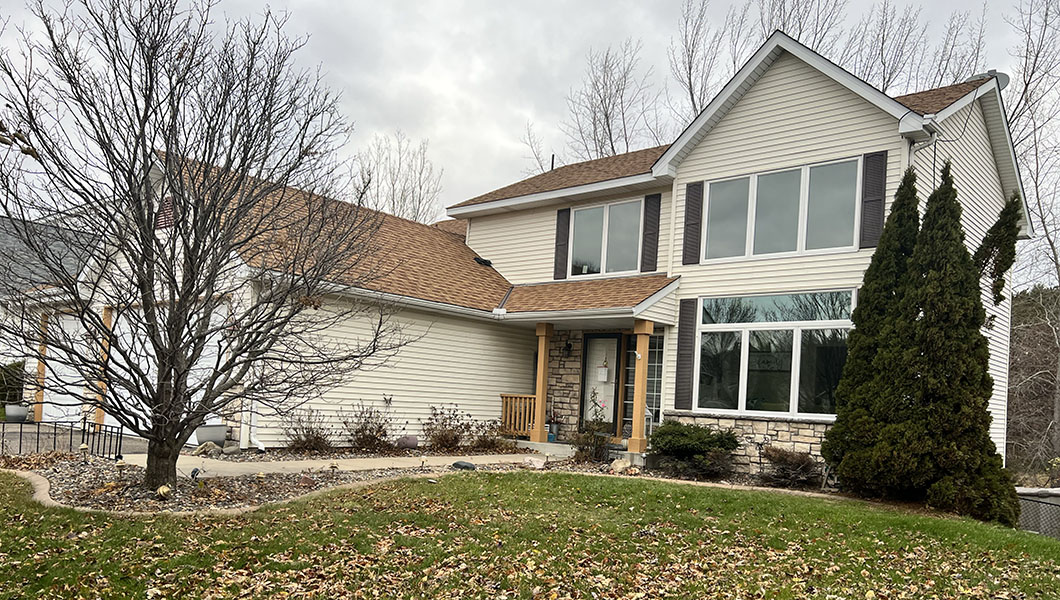
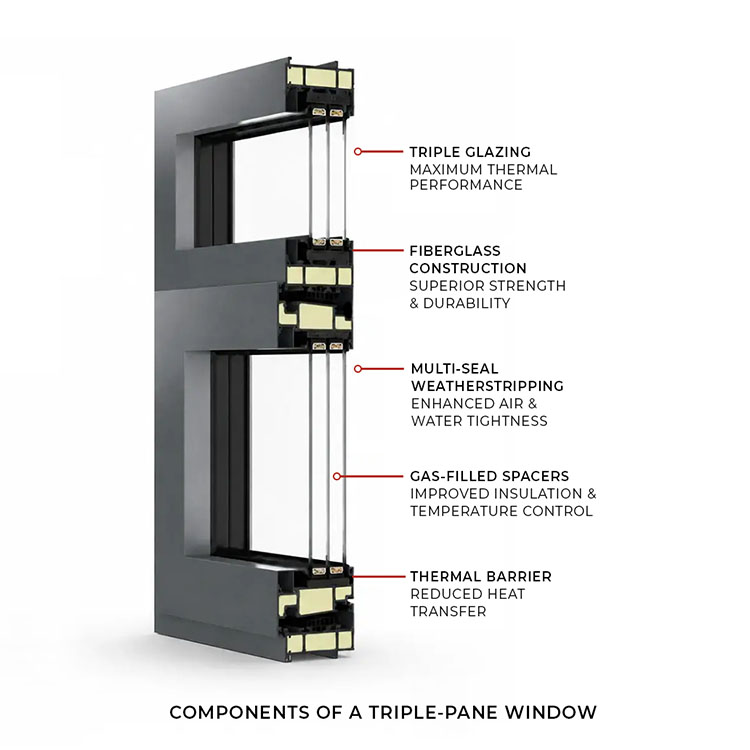
How do triple-pane windows reduce sound?
Triple-pane windows reduce sound by forcing vibrations to pass through more layers of glass, sealed space, and insulating gas before they reach the inside of your home. Sound travels as vibration, so every layer that slows, breaks up, or absorbs that vibration helps lower what you hear indoors. The result is better window sound insulation, especially for common high- and mid-frequency noises.
A triple-pane unit has three panes of glass instead of two. Between those panes are sealed spaces that may be filled with argon or krypton gas. These gases help reduce heat transfer, and they can also help dampen vibration inside the glass unit. When paired with tight seals and a solid frame, that extra pane and the gas-filled spacing create a stronger barrier between your living space and the outside.
Double-pane vs triple-pane windows noise reduction
When comparing double pane vs triple pane windows noise reduction, triple-pane windows usually have the advantage because they add another glass layer and another sealed cavity. That extra assembly can reduce the everyday noise that wears on you over time, such as road noise outside a bedroom or dogs barking near a home office. It also improves energy performance, which is why many homeowners look at noise reduction windows and energy-efficient windows together.
When trying to select the window with the most noise reduction, ask for the STC rating to compare. Sound Transmission Class (STC) is a rating used to describe how well a building product reduces airborne sound or noise. Higher STC numbers generally mean better sound control.
Here is a practical comparison to help set expectations. Exact results depend on the tested product, glass package, frame material, window style, and installation method.
| Window Type | STC Range | Decibel Reduction | Thermal Efficiency | Frame Sealing Impact |
|---|---|---|---|---|
| Double-Pane Windows | Often around 26–32 | Moderate reduction over single-pane for everyday noise | Can help in mild climates, but in Northern winters many options struggle to keep warm. | If installed as a pocket or insert replacement, hidden frame gaps may still leak sound and cold air |
| Triple-Pane Windows | Often around 28–35 | Stronger reduction potential for traffic, barking dogs, and wind noise | Stronger insulating value, better comfort near windows, and reduced strain on heating and cooling systems | Best results come from full-frame installation with proper insulation and sealing around the rough opening |
That table shows that you would notice the improvement upgrading to triple-pane. The ranges also show that there are other factors involved in the STC ratings. For example, a basic triple-pane unit will not perform as well as a window with glass thickness variation, proper air space, and argon or krypton gas layers. Also the quality of the installation can make or break any unit. A well sealed, full-frame install is night and day compared to an insert window.
What window options can increase noise reduction?
You can increase your window’s noise performance with a number of upgrades:
- Glass thickness: Different or asymmetric glass thicknesses can interrupt different sound frequencies. If every pane is the same thickness, certain vibrations may pass through more easily.
- Laminated glass: Putting a thin layer of plastic inside each glass pane absorbs even more noise.
- Air space: The sealed space between panes helps slow sound movement. Proper spacing matters because sound needs room to lose energy.
- Argon vs. krypton gas: Adding gas to your windows can provide a small sound and comfort boost, especially when the space between panes is tighter. Krypton is denser than argon giving it higher performance.
- Frame design: A solid, insulated frame helps support the glass and limit weak points where noise can travel.
- Weatherstripping and seals: Even a small gap can make a good window perform like a poor one.
The sounds triple-pane windows handle best
Triple-pane windows noise reduction is most noticeable with high- and mid-frequency sounds. These are the noises most homeowners complain about day to day. Think of cars passing by, tires on wet pavement, children playing nearby, barking dogs, wind, or general neighborhood activity.
In real life, that often means a bedroom feels less exposed to the street, a living room feels calmer during rush hour, or a home office becomes easier to work in. You may still know that noise exists outside, but it should feel less sharp and less intrusive.
There are limits. No standard residential window fully blocks extreme low-frequency sounds such as heavy trains or jet engines. Those sounds move through more than the glass; they can travel through walls, framing, floors, and small structural gaps. To control that level of noise, a home usually needs broader wall, frame, and opening soundproofing, not just a window upgrade.
Which window styles block sound best?
Not all window styles seal the same. If your top goal is quieter rooms, the style you choose can help because sound loves gaps and operable windows have more moving parts.
- Casement windows: These often perform very well for sound because they close by pressing the sash tightly against the frame. That compression-style seal can reduce air leaks that carry noise.
- Awning windows: Like casements, awnings can create a strong seal when closed. They are a solid choice for bathrooms, basements, and spots where you still want ventilation.
- Picture windows (fixed): Fixed windows have no moving sash. Fewer moving parts usually means fewer places for air leaks which can support better noise reduction when the frame is sealed correctly.
Sliding and double-hung styles can still be good windows, but they rely on different sealing methods. If you are noise sensitive, it is smart to talk through window style, not just glass, when you are choosing your package.
Why installation can make or break sound control
A window only performs as well as the opening around it. If there are gaps between the old frame and the wall, sound and cold air can move through those spaces even when the glass itself is high quality. This is one reason homeowners sometimes spend good money on new windows and still feel drafts or hear outdoor noise.
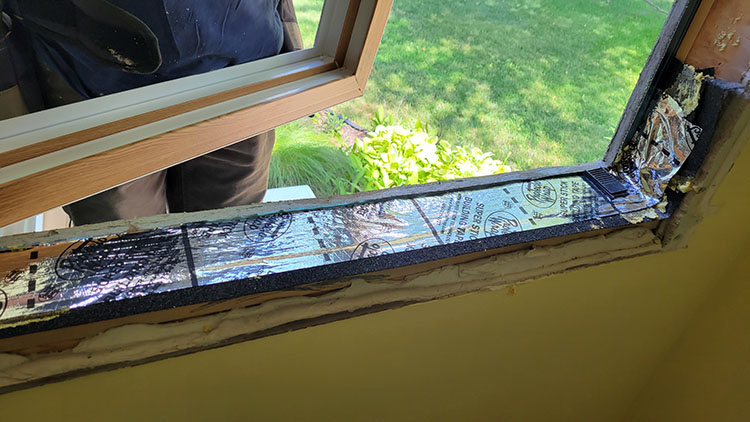
Full-frame window installation
EZ Home Solutions only performs Full-Frame window installations, not pocket or insert replacements. A full-frame installation removes the old window frame down to the rough opening. That gives the installer a clean look at the structure, the insulation gaps, and the sealing areas that are normally hidden behind the existing frame.
Pocket or insert replacements can make sense when the old frame is in excellent condition, but they leave more of the existing frame system in place. If that old frame has air leaks, poor insulation, rot, or gaps, the new window may not solve the real problem. For sound control and cold-weather durability, full-frame work gives the crew a better chance to insulate and seal the entire opening properly.
A careful full-frame installation should address:
- Removal of the old frame down to the rough opening
- Inspection for damage, gaps, or poor original insulation
- Proper insulation around the window perimeter
- Air sealing to reduce sound and cold air leaks
- Correct flashing and water management on the exterior
- Interior and exterior finish work that protects the opening
We firmly believe in a Solutions, Not Shortcuts approach, and we represent that with only the best installation methods to maximize the life and performance out of your investment.
When triple-pane windows are worth it (especially in Minnesota)
Triple-pane windows are usually worth serious consideration when noise, comfort, and winter performance are all part of the problem. If you live near a busy street, deal with regular neighborhood noise, have bedrooms facing traffic, or work from home, the quieter indoor feel can be a real daily benefit.
In Minnesota, the energy side matters just as much. Severe temperature drops can turn weak windows into draft zones. This is where double-pane windows can fall short, because many options are not built or rated for true Northern-climate performance. That is why EZ Home Solutions recommends triple-pane house windows for our area. Triple-pane is the better match for comfort, durability, and long-term value.
Features to ask about before choosing noise-blocking windows
Before you compare quotes, make sure each contractor is talking about the same kind of window and the same kind of installation. Many confusing window estimates come from comparing different scopes of work. One quote may include full-frame removal, insulation, exterior finishing, and a stronger glass package, while another may only cover a faster insert double-pane replacement.
Use this checklist when discussing noise-blocking windows:
- Glass package: Ask whether the unit is double-pane or triple-pane and whether the panes use varied glass thickness.
- Gas fill: Ask whether the unit uses argon or krypton, and what the full glass package is designed to do (sound, comfort, or both).
- Sound ratings: Ask for available STC or OITC information for the specific window option.
- Window style: If sound is a priority, ask about styles that tend to seal tighter and where they make sense in your home. These include casements, awnings, and picture windows.
- Installation method: Confirm whether the contractor is doing a full-frame installation or a pocket/insert replacement.
- Air sealing: Ask how the crew seals and insulates around the rough opening.
- Problem rooms: Identify the rooms where noise affects sleep, work, or comfort most.
You do not have to replace every window at once to make a smart improvement. Some homeowners start with bedrooms, nurseries, home offices, or street-facing rooms. A targeted plan can help control cost while solving the areas that bother you most. If you are concerned about up-front cost, ask about flexible financing options!
A balanced way to make the decision
The best window choice is the one that fits the home, the climate, the noise source, and the way the window will be installed. For mild noise in a mild climate, an upgraded double-pane window may improve comfort. For stronger sound control, cold-weather performance, and long-term value, triple-pane windows are often the more complete solution, especially in Minnesota.
Just keep expectations honest. Triple-pane windows can drastically reduce many common high- and mid-frequency noises, and they can make a room feel noticeably more peaceful. They will not turn a home beside heavy rail lines or under a flight path into a recording studio without deeper soundproofing work.
If you are comparing noise reducing windows, ask about the full system: pane count, glass thickness, air space, argon or krypton gas, sound ratings, window style, frame quality, and full-frame installation. That is how you avoid paying for a surface-level upgrade and instead invest in a window solution that supports a quieter, tighter, more energy-efficient home.
If you would like a clear answer for your home, request a low-pressure, in-home window inspection from EZ Home Solutions. We will check your current frame seals, look for hidden gaps around the opening, and walk you through triple-pane options that fit your comfort and noise goals, no pushy sales pitch. Contact us today!